
 Medically Reviewed
Written by Pooja Rawat, Medical Content Writer
Posted On: 17 Oct 2026,
Spinal tuberculosis is an infection caused by the same bacteria that is responsible for causing tuberculosis, Mycobacterium tuberculosis. Doctors often refer to it as Pott’s disease or tuberculous spondylitis. The condition can cause severe back pain along with fever, and sometimes can even lead to a deformity or weakness. Some patients are cured with the help of antitubercular medicines, which are prescribed to be taken for months, while others may require surgery to address nerve compression, instability or deformity. Dr. Ishwar Bohra is one of the most trusted names when it comes to spinal tuberculosis surgery in India.
People often mistake back pain associated with spinal tuberculosis for simple muscle strain, and this can go on for months before they realise what is actually causing it. This delay in treatment gives the spinal infection enough time to seep deep into the bone, damage it and press on the spinal cord. Early spinal tuberculosis treatment can help to protect both the spine as well as the surrounding nerves.
According to the World Health Organisation, “India has the highest burden of tuberculosis.” Our country alone accounts for roughly 26 to 27% of the global TB cases. Hence, it is very important to learn more about TB-related complications, especially spinal tuberculosis, and its management with the help of surgery and physiotherapy.
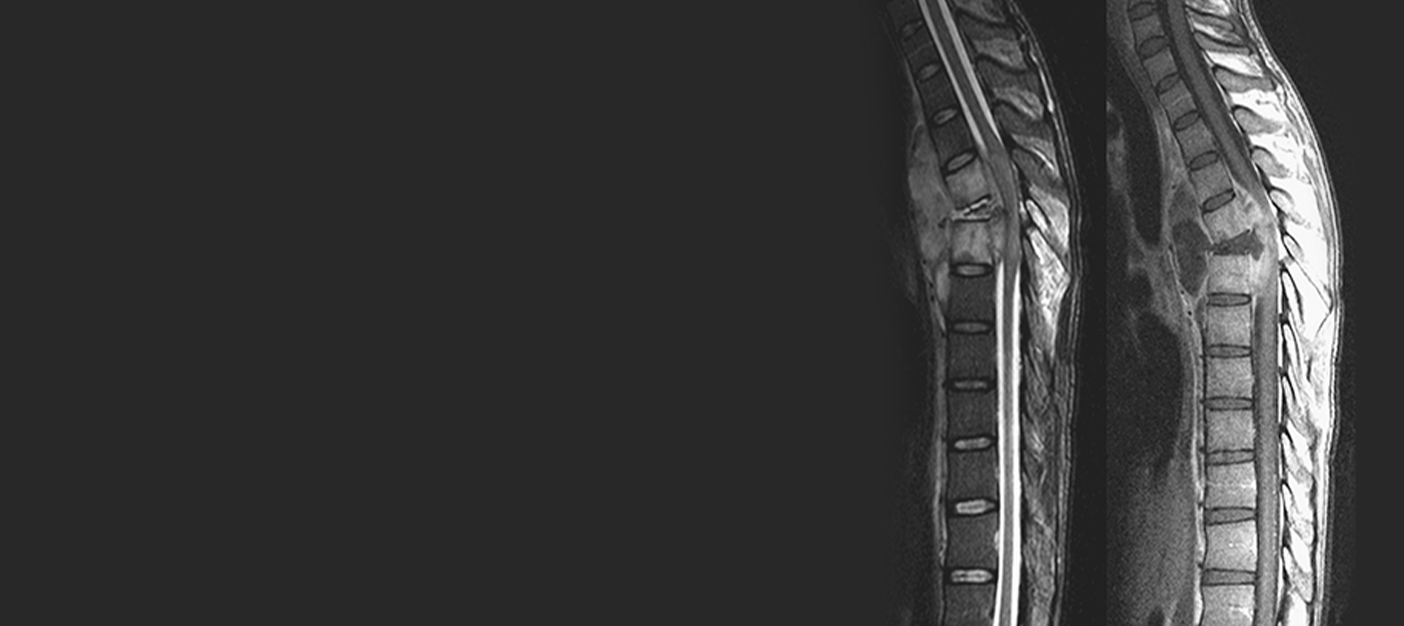
Spinal Tuberculosis is also known as Pott's spine. It is an extrapulmonary form of tuberculosis. This name was inspired by Percivall Pott, who described it in 1779. A review of 80 MRI cases in the Medical Journal Armed Forces India shows that the bacteria reach the spine after entering the bloodstream from the infection site. This usually happens via Batson's venous plexus.
The infection first affects the vertebral body close to the disc. From here it gradually spreads to the disc, neighbouring vertebrae and the soft tissues present around the spine. This can sometimes lead to a cold abscess, or accumulation of pus without any redness or heat.
Bone tuberculosis, sometimes referred to as skeletal tuberculosis, is a rare form of extrapulmonary tuberculosis which is said to happen when Mycobacterium tuberculosis spreads from the site of infection ( the lungs or lymph nodes) into the bones and joints. In nearly 50% of cases of bone tuberculosis, it is the spine that gets affected. It can also impact the hips, knees, ribs, and skull.
Bone TB on its own is not usually contagious and does not spread through the air, casual contact, touching or sharing food. There are risks of contamination only when the patient also has active lung TB.
| Type | Where it starts | Key feature |
| Paradiscal | Edge of the vertebra next to the disc | Commonest type; disc space narrows early |
| Central | Middle of the vertebral body | Vertebra can collapse into a flat "vertebra plana" |
| Anterior | Under the front ligament of the spine | Spreads along several vertebrae; scalloped front surface |
| Posterior (appendicular) | Back elements such as the arch | Less common; may press on the cord early |
A patient experiences one of these types or more than one type simultaneously.
If you talk about the back pain symptoms of tuberculosis, these can look like ordinary muscle pain, and this is the reason why people tend to ignore them for months. This leads to a delay in the diagnosis as well as treatment.
In order to be able to seek timely medical help, you need to watch out for:
As the condition progresses, other signs may also appear. These include
Spinal TB diagnosis may involve the following:
Spinal tuberculosis treatment usually starts with antitubercular therapy (ATT), which involves the use of a combination of drugs to cure Tuberculosis.
Along with medication, doctors may also advise:
Spinal Tuberculosis treatment duration varies from one patient to another. However, the condition generally heals slowly, and it often takes longer than the standard six months used for management of long Tuberculosis.
According to Dr. Ishwar Bohra, the duration of Spinal Tuberculosis treatment highly depends on these three factors:
In most of the cases of spinal tuberculosis, surgery may not be required as the primary treatment. It is generally the last resort and recommended for patients who are experiencing any of the following:
Physiotherapy for spinal TB focuses on recovery; however, it cannot replace antitubercular medicines or surgery. Different physiotherapy plans are curated for different stages of the disease to ensure that they support the treatment and recovery in the right way.
Yes, spinal TB is curable in most patients, especially when it is caught and treated early. However, complications rise when there is unnecessary delay in treatment or when the treatment is interrupted. In such cases, the outlook is less favourable.
Dr Ishwar Bohra is listed among the top orthopaedic surgeons in India with extensive experience of 24+ years. He has performed more than 25,000 surgeries over the span of his career and is currently serving as the Director at BLK-Max Centre for Orthopaedics, Joint Reconstruction & Spine Surgery at BLK-Max Super Speciality Hospital, New Delhi.
Dr Bohra has significantly contributed to the development of advanced techniques in minimally invasive orthopaedic surgeries that have helped patients to recover fast with minimal complications. His medical practice is centred around patient care.
Contact our team at +91-9582280201; ishwar.bohra@gmail.com or anandrishma@gmail.com
Our address: Pusa Rd, Radha Soami Satsang Rajendra Place,
Delhi - 110005.
Max Hospital Dwarka: Monday, Wednesday, and Friday evenings: 4 pm-7 pm
Spinal tuberculosis is a serious condition; however, with early diagnosis and treatment, it can be cured. The treatment can last for a couple of months, depending on the overall health of the patient and how well the spine and nerves are responding. If you're looking for an expert specialising in spinal tuberculosis treatment in Delhi, Book an appointment with Dr. Ishwar Bohra today.
Spinal tuberculosis is an infection involving the spine. It is caused by Mycobacterium tuberculosis, the same bacterium that is responsible for causing TB. It is also known as Pott’s disease or tuberculous spondylitis
The first signs of tuberculosis of the spine are persistent back pain that becomes worse at night, often accompanied by low-grade fever, tiredness and weight loss.
Yes, spinal TB is curable in most of the cases; however, this requires proper medical intervention. You can consult Dr. Ishwar Bohra to know more.
No, bone TB is not usually infectious. However, if it is accompanied by lung TB, there are risks of spread. .
Spinal tuberculosis treatment takes longer as compared to lung tuberculosis. It can go up to 12 months or even more, depending upon how well the patient is responding.
Surgery for spinal tuberculosis is usually the last resort, and most people respond well to medicines. Surgery is usually recommended for problems like nerve compression, instability, severe deformity or poor response.
Yes, TB of the spine can cause paralysis if it is not treated promptly. This is commonly known as Pott's paraplegia.
Medical Disclaimer: This article is for educational purposes only and is not a substitute for professional medical advice, diagnosis or treatment. Always consult a qualified doctor about your health.

Staying abreast with the latest information is the best way to combat diseases in early stages and live a healthy life. Read the latest news & updates here to learn about the recent advancements in joint care and therapeutics.