

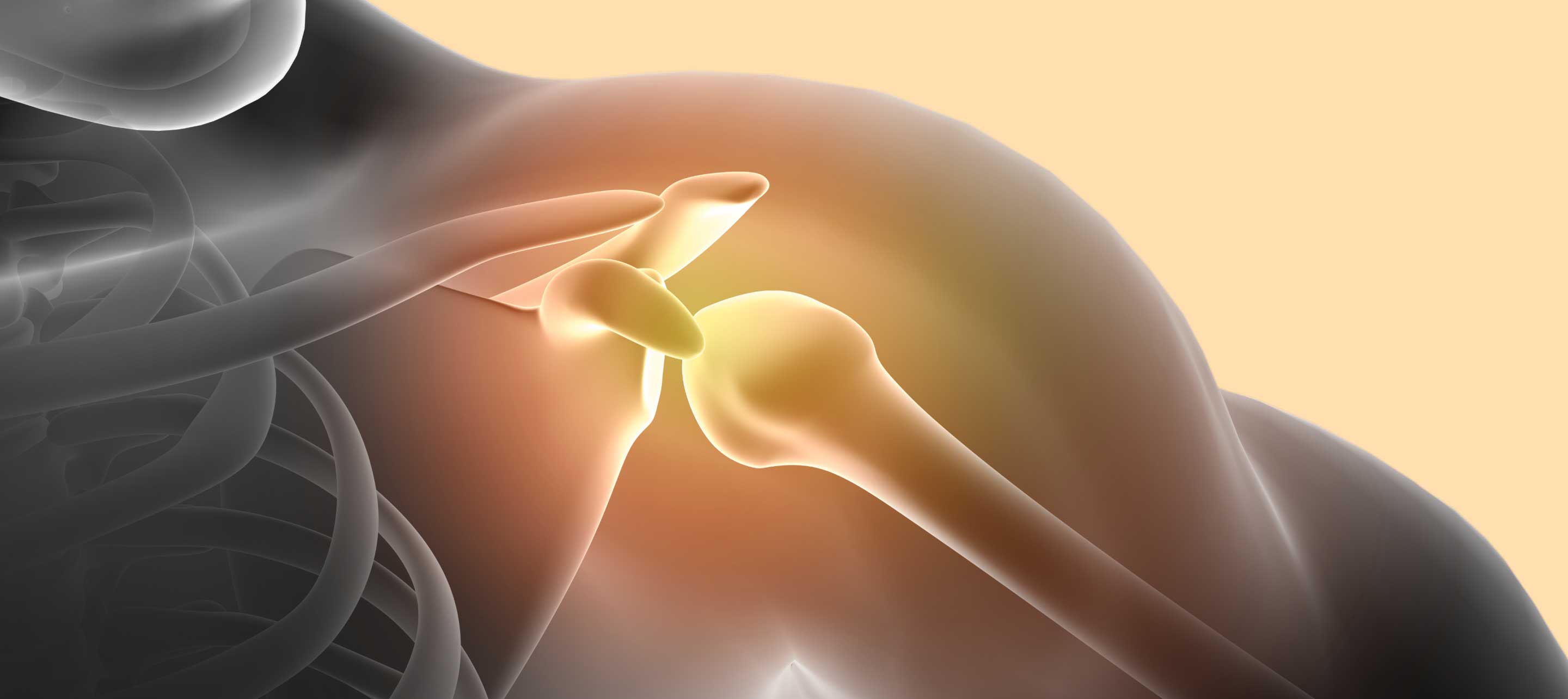
Shoulder replacement is a surgical intervention that is performed in case of severe shoulder joint degeneration to replace damaged components of shoulder joint with artificial parts or prostheses in an attempt to eradicate the cause of pain and dysfunction.
 Book an Appointment
 Top Shoulder Replacement Surgeon in Delhi
Persistent shoulder pain, stiffness, weakness, or difficulty lifting your arm can make everyday activities such as dressing, reaching overhead, combing your hair, or sleeping uncomfortable. When medicines, physiotherapy, injections, and other non-surgical treatments no longer provide enough relief, shoulder replacement surgery in Delhi may be considered.
However, choosing the best shoulder replacement surgery in Delhi is not simply about finding the lowest-cost package or choosing a hospital based on advertisements. The right treatment depends on the type and severity of shoulder damage, age, activity level, bone health, overall medical condition, implant selection, surgeon's experience, hospital infrastructure, and rehabilitation support.
If you are looking for an experienced shoulder replacement surgeon in Delhi, Dr. Ishwar Bohra provides evaluation and surgical treatment for patients with advanced shoulder joint problems. Depending on the condition of the joint, rotator cuff, bones, and surrounding tissues, treatment may include total, reverse, partial, or revision shoulder replacement.
Schedule a call
| Aspect | Details |
|---|---|
| Procedure | Total, reverse, partial or revision shoulder replacement |
| Surgery duration | Usually around 1–2 hours |
| Anaesthesia | General, regional, or a combination |
| Common indications | Severe arthritis, rotator cuff damage, fractures, osteonecrosis and other joint conditions |
| Hospital stay | Same day or overnight, depending on the patient and procedure |
| Recovery | Gradual recovery with prescribed exercises and physiotherapy |
| Main goal | Reduce pain and improve shoulder movement and function |
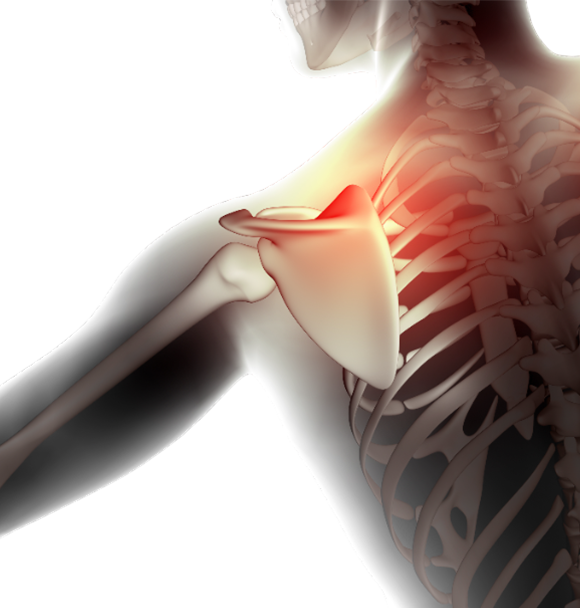
Shoulder replacement surgery, also called shoulder arthroplasty, involves replacing damaged parts of the shoulder joint with artificial components.
The shoulder is a ball-and-socket joint. The ball is located at the top of the upper arm bone (humerus), while the socket is part of the shoulder blade (scapula). Damage to the cartilage, bones, or surrounding structures can cause pain and restrict movement.
During shoulder replacement, the damaged surfaces are replaced with prosthetic components. The type of replacement depends on the patient's joint condition and the function of the rotator cuff.
Schedule a callGet accurate insights for your joint issues and the best personalized treatment plan for it. We believe in restoration of your joint functions maximally, taking care of your unique needs.
Contact Us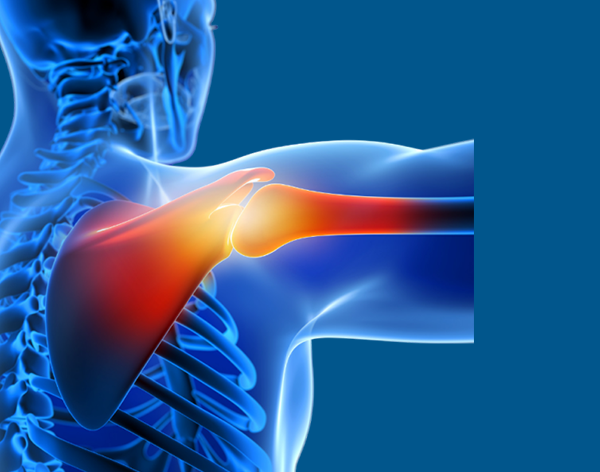 Shoulder Replacement Surgery
Not everyone with shoulder pain needs a shoulder replacement. Dr. Ishwar Bohra may consider surgery when severe joint damage causes persistent symptoms and other treatments have not provided sufficient relief.
Common reasons include:
Before recommending surgery, the condition of the shoulder is assessed through a combination of medical history, physical examination, movement and strength testing, and imaging studies.
The following shoulder replacement options may be recommended by your doctor, depending on the type of joint damage you have:
In an anatomic total shoulder replacement, the damaged ball and socket are replaced while maintaining the shoulder's natural anatomy.
This procedure may be considered for patients with advanced arthritis when the rotator cuff is still functional.
A reverse shoulder replacement changes the normal arrangement of the shoulder joint. A ball component is attached to the shoulder blade, while a socket component is placed on the upper arm.
This configuration can allow the deltoid muscle to help move the arm when the rotator cuff is severely damaged or no longer functions properly.
A partial replacement, or hemiarthroplasty, replaces only the damaged ball of the shoulder joint.
It may be considered in selected patients where the humeral head is significantly damaged but the socket does not require replacement.
Revision surgery involves repairing or replacing an existing shoulder implant.
It may be required because of implant loosening, wear, instability, infection, fracture, or other complications. Revision surgery can be more complex than an initial shoulder replacement.
The exact surgical approach varies depending on the type of replacement and the patient's condition. In general, the procedure involves:
The surgery usually takes around 1–2 hours, although the duration can vary depending on the procedure and complexity of the case.
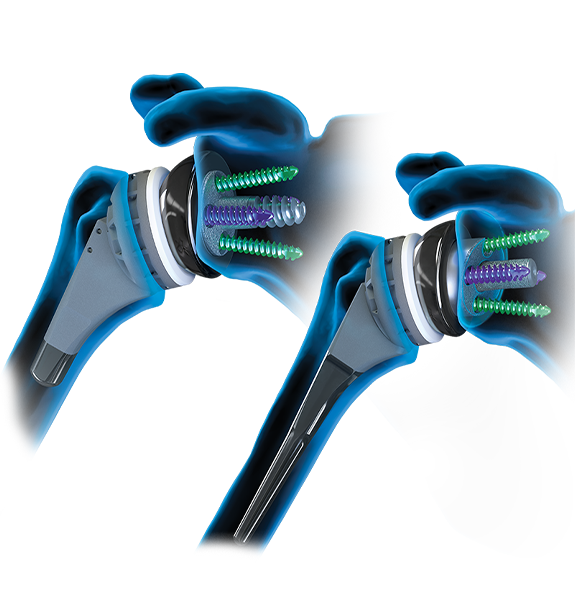
Modern shoulder replacement has evolved with improvements in implants, surgical techniques, and pre-operative planning.
Some selected patients may be candidates for newer approaches such as stemless shoulder replacement, which can preserve more bone on the upper arm. Imaging and patient-specific planning can also help surgeons assess the patient's anatomy and plan implant positioning.
However, newer technology is not automatically suitable for every patient. The choice depends on factors such as age, bone quality, rotator cuff condition, anatomy, diagnosis, and activity level.
Schedule a call
Dr. Ishwar Bohra is an orthopaedic surgeon who treats patients with joint and musculoskeletal conditions, including shoulder problems requiring surgical management.
For patients considering shoulder replacement, the consultation involves understanding the cause of pain, assessing the extent of joint damage, evaluating rotator cuff function, and discussing both surgical and non-surgical treatment options.
The choice between anatomic total, reverse, partial, or revision shoulder replacement depends on the individual patient's condition rather than a one-size-fits-all approach.
Recovery after shoulder replacement is gradual. Patients may initially need a sling or shoulder immobiliser to protect the joint while healing begins.
The rehabilitation plan may include:
The time required to return to normal activities varies from person to person. Following the rehabilitation programme and avoiding movements that are restricted during the early healing period are important parts of recovery.
Schedule a call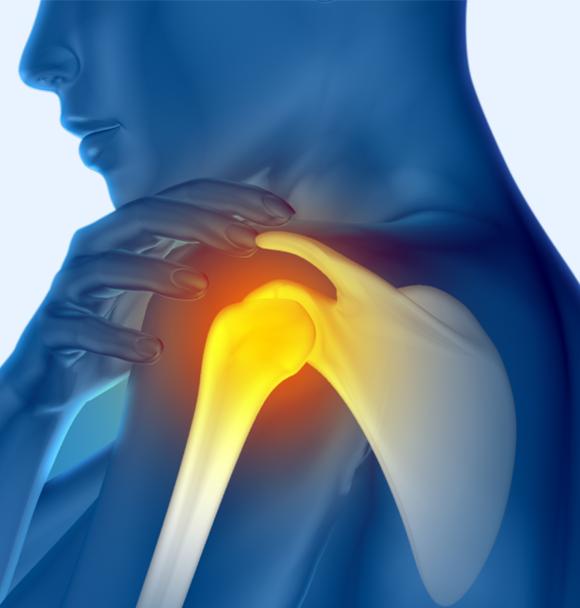
When appropriately recommended, shoulder replacement may help:
The outcome depends on factors such as the underlying condition, type of replacement, rotator cuff function, overall health, and rehabilitation.
Like any major surgery, shoulder replacement has potential risks. These may include:
Dr. Ishwar Bohra can discuss the potential benefits, risks, alternatives, and expected recovery based on the individual patient's condition.
The cost of shoulder replacement surgery in Delhi can vary from patient to patient. Factors that may affect the total cost include:
Insurance coverage may also vary depending on the policy, eligibility, waiting periods, and other terms.
If persistent shoulder pain, stiffness, weakness, or restricted movement is affecting your daily life, an orthopaedic evaluation can help determine the cause and available treatment options.
Dr. Ishwar Bohra can assess your shoulder condition and discuss whether anatomic total, reverse, partial, revision shoulder replacement, or a non-surgical treatment may be appropriate.
The right treatment is based on your diagnosis, shoulder anatomy, rotator cuff condition, overall health, and activity goals, not simply the procedure name or advertised cost.
A: Patients with severe shoulder joint damage, persistent pain, stiffness, and reduced function that has not improved adequately with non-surgical treatment may be considered for shoulder replacement.
A: There is no single shoulder replacement procedure that is suitable for everyone. The choice depends on the condition of the joint, rotator cuff function, bone quality, age, activity level, and other individual factors.
A: A total shoulder replacement maintains the normal ball-and-socket arrangement, while a reverse shoulder replacement switches the position of the ball and socket. Reverse replacement may be considered when the rotator cuff is severely damaged.
A: The surgery commonly takes around 1–2 hours, although the duration can vary depending on the procedure and complexity of the case.
A: Recovery is gradual and can take several months. The timeline varies depending on the type of surgery, healing, rehabilitation, and the patient's overall health.
A: No. Reverse shoulder replacement is generally considered for specific conditions, particularly when the rotator cuff is severely damaged. A detailed clinical assessment is needed to determine whether it is appropriate.
A: Many patients can gradually return to everyday activities after recovery and rehabilitation. The timing and activities allowed depend on the surgery and individual recovery.



Dr. Ishwar Bohra, the best joint replacement surgeon in delhi, has brought joint care a step closer to the maximum mobility restoration with enhanced quality of life and great patient satisfaction. Choose our facility to avail personalized care and highest treatment success since we are committed to serve you the most personalized care.

Dr. Ishwar Bohra’s unparalleled expertise backed by 25,000+ successful surgeries, testifies his capabilities to provide the best joint care. His compassionate patient care approach is highly appreciated by his patients.

Dr. Bohra, a highly skilled doctor, is well-introduced to modern therapeutic interventions and latest equipment to provide most accurate, minimally invasive, and highly successful results.

We are committed to provide you the joint care solutions most suitable for you, keeping your expectations and convenience at the forefront. Such tailored solutions will fulfill the unique needs of each patient maximally.