
 Medically Reviewed
Written by Pooja Rawat, Medical Content Writer
Posted On: 22 Jan 2026,
Is scoliosis a lifelong condition? Can scoliosis be treated completely? How can I help my child to deal with this condition? All these questions and fears may hover over you if your child has developed scoliosis (side-to-side curving of the spine). Most cases of scoliosis can be effectively treated if detected early. Treatment options may range from careful observation and bracing to corrective surgery, depending upon the severity of the condition.
If you are looking for the best scoliosis treatment in Dwarka, then reach out to Dr. Ishwar Bohra for expert care and fulfilling outcomes. Read more to understand the spinal curvature and scoliosis treatment better.
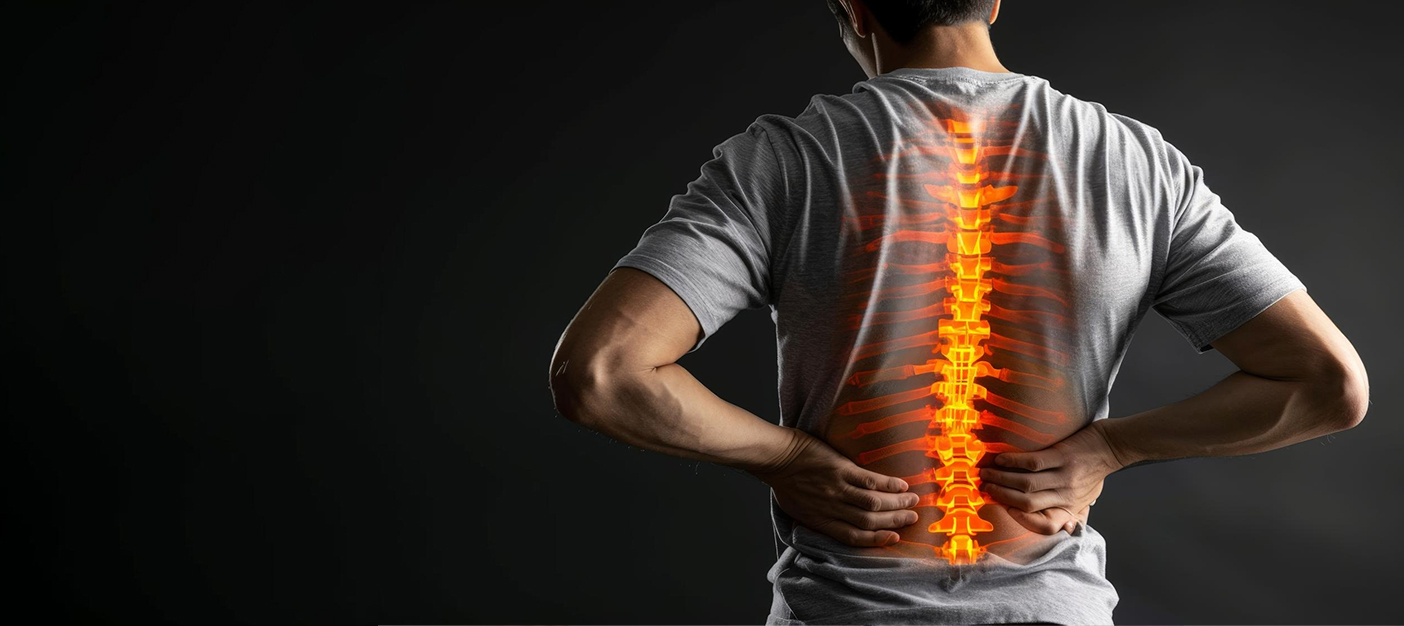
In scoliosis, the spine curves abnormally. It is characterized by a curvature of the spine that bends laterally to the left and right into a C or S shape. In most cases, scoliosis is mild and doesn’t cause symptoms. At this level of severity, generally no treatment is advised. The patient is advised for careful observation. But in severe cases, it can cause uneven posture and persistent pain. The doctor may advise the patient to wear a scoliosis brace or undergo scoliosis corrective surgery.
The following are the common causes of scoliosis:
The following are the common signs and symptoms of scoliosis:
The following are the types of scoliosis:
The following are the options for scoliosis treatment in Dwarka:
| Type of Treatment | Type of Brace / Surgery | Brief Description |
| Careful Observation | — | This method is utilized for minor spinal curves in developing children. Regular check-ups and X-rays are done to monitor whether the curve worsens as the child grows. |
|
Bracing |
Plastic body brace (daytime brace) | This brace is recommended for children with moderate curves who are still growing in their bones. Wearing the brace as advised helps prevent the curve from getting worse. |
| Night-time brace | The nighttime brace is specifically designed for use only during sleep. This brace is appropriate for individuals with specific types of scoliosis and those with milder to moderate curves. | |
|
Surgery |
Spinal Fusion | Permanently joins affected vertebrae using bone material, rods, and screws to correct and stabilize the spinal curve. |
| Vertebral Body Tethering (VBT) | The procedure uses screws and a flexible cord to straighten the spine, allowing for continued growth and movement. | |
| Growing/Expanding Rods | Younger children with rapidly worsening scoliosis are typically advised to use the growing/expanding Rod. Rods lengthen as the child grows to control spinal curvature. |
The following are the benefits of scoliosis physical therapy:
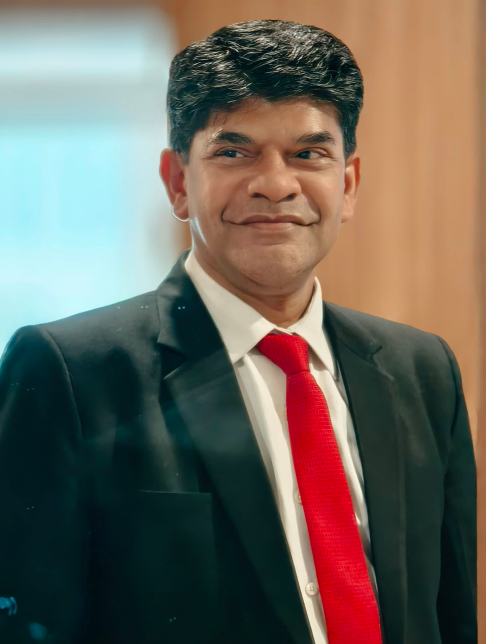
Dr. Ishwar Bohra is a senior orthopedic and joint replacement surgeon in Delhi. He has a successful track record of performing over thousands of orthopedic surgeries, including scoliosis corrective surgery, in his 24 years of experience. He has extensive experience in providing comprehensive care to scoliosis patients, from diagnosing the condition to complete rehabilitation.
You may be worried if you notice malalignment in your or your child’s posture and height. However, scoliosis is mostly milder in severity, and treatment isn’t always required. You can often get by with nonsurgical measures like wearing a brace. However, surgery is a safe option for treating the severe curves.
Explore the personalized options for the best scoliosis treatment in Dwarka from Dr. Ishwar Bohra. Book your consultation now!
Q1: Can scoliosis corrective surgery fail?
A: Scoliosis correction surgery may fail if treatment is not performed with precision. However, you may contact Dr. Ishwar Bohra, the best orthopedic surgeon in Delhi, for the best scoliosis care.
Q2: When is revision scoliosis surgery required?
A: Scoliosis corrective surgery is a safe and mostly successful procedure. In very rare cases, revision surgery is advised due to implant issues, curve progression, or complications such as infection or non-union.
Q3: Can scoliosis correct itself over time?
A: No. Scoliosis does not correct itself. However, in milder cases, it may remain stable. Careful observation with symptomatic care is essential during growth years.
Q4: How can I help my child manage scoliosis?
A: Always bring your child for regular follow-ups, maintain brace compliance, arrange physiotherapy care for your child, provide emotional support, and involve your child in an active lifestyle. All these steps can help your child manage the scoliosis better.
Q5: What disabilities can scoliosis cause if untreated?
A: Severe untreated scoliosis may lead to chronic pain, reduced mobility, breathing difficulties, and postural deformities.
Q6: Is rehabilitation available after scoliosis surgery with Dr. Ishwar Bohra?
A: Yes. An expert team under Dr. Ishwar Bohra provides comprehensive post-surgical rehabilitation, including physiotherapy and functional recovery programs.
Staying abreast with the latest information is the best way to combat diseases in early stages and live a healthy life. Read the latest news & updates here to learn about the recent advancements in joint care and therapeutics.