
 Medically Reviewed
Written by Pooja Rawat, Medical Content Writer
Posted On: 08 Oct 2026,
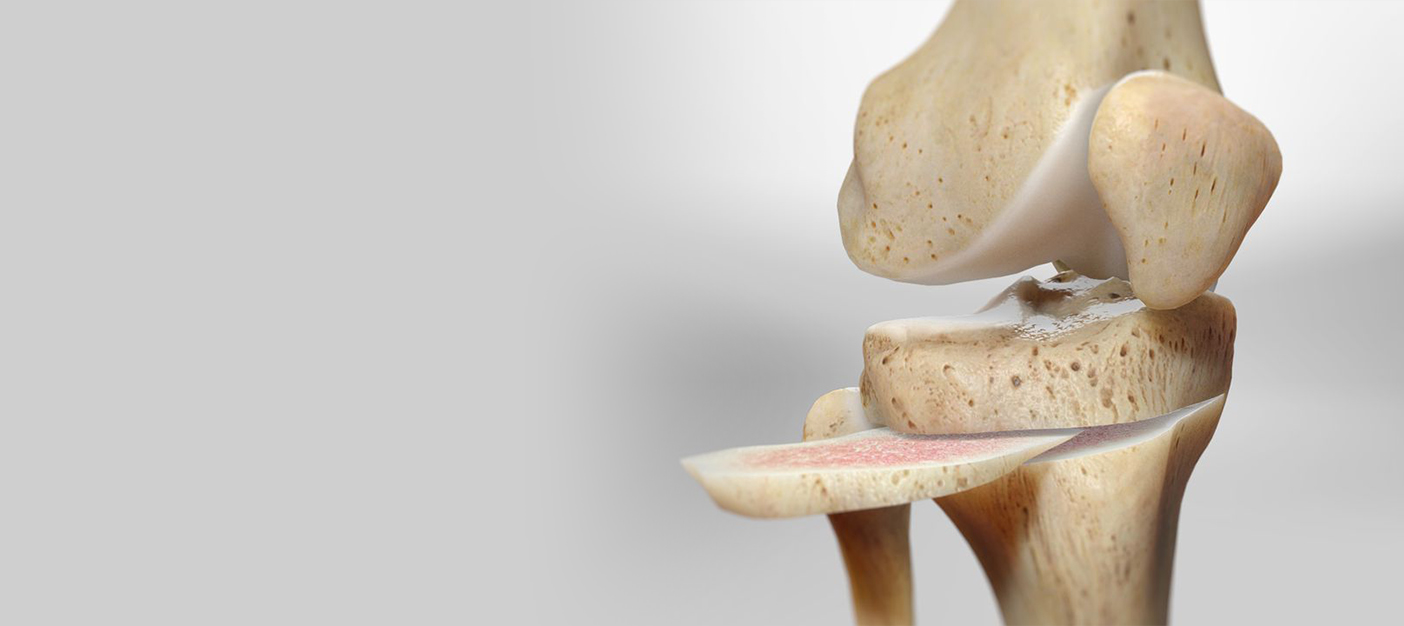
HTO is a procedure in which a surgeon cuts the upper part of the tibia (shinbone) and repositions it to correct leg alignment. HTO full form in medical terms is High Tibial Osteotomy.
Think of the knee like a car tyre wearing unevenly because the wheels are misaligned. Fixing the alignment spreads the load more evenly. In bow-legged (varus) knees, most body weight presses on the inner compartment. By shifting the load toward the healthier outer side, the surgeon takes pressure off damaged cartilage.
The best candidates are active adults, typically under 60, with arthritis limited to the inner knee, good motion and a bow-legged alignment. Remember, age is a guide, not a hard rule. Biology and activity level matter more than the number on your birth certificate.
You are more likely to qualify if you have pain mainly on the inner side of the knee and are physically active. Your ligaments should be stable and in good motion. Also, you should not be overweight or a heavy smoker.
You are less likely to qualify if arthritis affects the whole knee, if you have inflammatory arthritis such as rheumatoid arthritis, or if your knee is stiff. In those cases, a partial or total knee replacement is often the better call.
The surgeon makes a controlled cut in the upper tibia, opens or closes the gap to correct alignment, and fixes it with a metal plate and screws. The operation usually takes 60 to 90 minutes under spinal or general anaesthesia.
First, X-rays and sometimes CT or MRI are used to calculate the exact correction needed. This planning stage matters as much as the surgery itself.
During the operation, the surgeon cuts the bone, adjusts the angle, and secures it. The type of cut defines the technique.
| Technique | How it works | Common use |
| Medial opening wedge | Bone is cut and opened like a wedge, gap filled with graft or substitute | Most popular today; allows fine adjustment |
| Lateral closing wedge | A wedge of bone is removed and the gap closed | Used in certain alignment patterns |
| Miniaci method | A planning and correction method that calculates the exact degree of opening needed using full-length X-rays | Precise opening wedge planning |
The Miniaci method is a planning technique named after Dr.Anthony Miniaci. It uses measurements from long-leg X-rays to work out how much to correct, so the new alignment lands where it should.
The high tibial osteotomy plate is a specialised metal implant, usually titanium or stainless steel, that holds the bone in its new position while it heals. Locking plates, such as the TomoFix system, are widely used because they provide stable fixation.
The plate sits on the inner side of the upper shinbone. Many surgeons leave it in permanently. Some patients choose removal after healing if the plate irritates soft tissue, though this isn't required.
Most patients walk with crutches within days, put full weight on the leg at about six weeks, and return to normal activity in three to six months. Full return to sport may take up to a year.
A typical pattern looks like this:
| Phase | Timeline | What to expect |
| Hospital stay | 1 to 3 days | Pain control, early movement |
| Protected walking | Weeks 0 to 6 | Crutches, partial weight bearing, swelling management |
| Strengthening | Weeks 6 to 12 | Full weight bearing, physiotherapy |
| Return to daily life | 3 to 6 months | Walking, work, light activity |
| Return to sport | 6 to 12 months | Surgeon clearance required |
Physiotherapy is not optional. Patients who follow the rehab plan consistently tend to recover faster and walk better.
Complications include infection, delayed bone healing, hardware irritation, nerve or blood vessel injury, blood clots and loss of correction. Most are uncommon when the operation is well planned and carefully performed.
Smoking raises the risk of nonunion, which means the bone fails to heal. Being open about your habits with your surgeon helps.
Also, it is important to note that HTO doesn't cure arthritis. It buys time, but some patients eventually need a knee replacement.
High tibial osteotomy in India typically costs roughly ₹1.5 to ₹3.5 lakh, depending on the hospital, implant, city and surgeon. This is usually far lower than in the US or UK.
Costs vary with the plate used, bone graft, room category, and whether you need extra procedures such as cartilage repair. Ask for an itemised estimate and check whether your insurance covers it.
HTO preserves your own knee and suits younger, active patients, while knee replacement gives faster pain relief for advanced, widespread arthritis. Neither is universally better.
If you are under 55, active and have early one-sided arthritis, ask about HTO before agreeing to a replacement. Replacing a knee at 45 often means a second surgery later. Preserving your own joint, when it's a realistic option, deserves a serious conversation.
Q1: What does HTO stand for in medical terms?
A: HTO stands for High Tibial Osteotomy, a knee-realignment surgery. The surgeon cuts and repositions the upper shinbone to shift weight away from the damaged inner side of the knee. This helps relieve pain and delays the need for knee replacement.
Q2: How long does recovery from high tibial osteotomy take?
A: Most people use crutches for about six weeks, then progress to full weight bearing. Normal daily activities usually takes about three to six months. Return to sport may take six to twelve months, depending on healing and your surgeon's clearance.
Q3: Is high tibial osteotomy painful?
A: There's moderate pain for the first few days, managed with medication, nerve blocks and ice. Most patients find the pain settles within a few weeks. Pain tends to be less than many expect, and physiotherapy helps restore comfort and function.
Q4: Will I still need a knee replacement after HTO?
A: Possibly, but later. HTO often delays replacement by many years, and some patients never need one. Success depends on your age, weight, activity level and how advanced the arthritis is at the time of surgery.
Q5: Can the high tibial osteotomy plate be removed?
A: Yes. Many patients keep the plate, but it can be removed after the bone fully heals, usually after about a year, if it causes irritation. Removal is a minor procedure, and your surgeon will advise whether it's necessary.

Staying abreast with the latest information is the best way to combat diseases in early stages and live a healthy life. Read the latest news & updates here to learn about the recent advancements in joint care and therapeutics.