
 Medically Reviewed
Written by Pooja Rawat, Medical Content Writer
Posted On: 10 Dec 2025,
Osteoporosis is sometimes not identified until painful fractures, typically in the hips or back, occur, caused by weaker bones. Unfortunately, you are more susceptible to developing another osteoporosis-related fracture after you have already experienced one. Additionally, these fractures may be irreversible. Thankfully, there are measures you can take to help avoid developing osteoporosis in the very initial stages. Also, if you already have osteoporosis, medicines can delay the pace of bone loss.
Perimenopause and menopause are associated with a drastic decline in estrogen levels. Osteoporosis progression is directly correlated with the lack of estrogen. Early menopause (before age 45), any extended periods of declining hormone levels, and irregular or nonexistent menstruation can result in reduced bone density. Let’s scroll down to learn the ways to prevent osteoporosis and protect your bones after menopause.
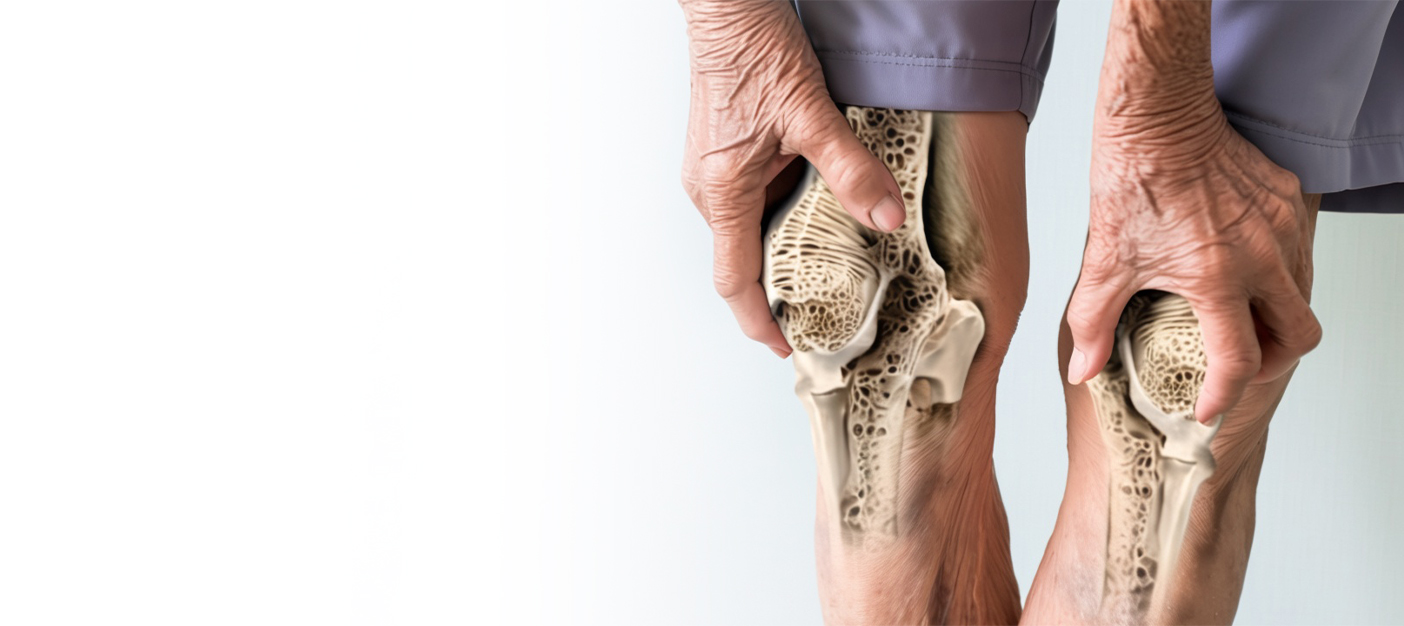
Osteoporosis is a condition that causes brittle bones and raises the possibility of unexpected and unforeseen fractures. Osteoporosis, which means "porous bone," causes a faster loss of bone density and strength. Sometimes, the disease advances without any discomfort or symptoms.
Although the exact cause of osteoporosis is yet under scientific research, we do understand how the condition progresses. Trabecular bone, which resembles a sponge, is surrounded by a cortical or thick bone shell. When a bone is affected by osteoporosis, the "holes" in the "sponge" expand and become larger, thereby damaging the bone's internal structure.
Until about the age of 30, our bodies normally form more bone than they lose. As we age, bone loss speeds up and surpasses the speed of bone formation, resulting in a steady decrease in bone density. Osteoporosis develops when bone loss exceeds a certain limit.
Estrogen levels begin to fluctuate before declining as hormones adjust to typical menopausal changes. Estrogen's decline during menopause greatly accelerates bone loss since this hormone plays a vital role in slowing down the normal breakdown of bone. This hormone protects bones from becoming weaker. In the first five years following menopause, women often lose up to 10% of their bone density. According to research, about one in 2 women above the age of 60 tends to experience at least one osteoporosis-induced fracture.
Numerous ways can help a woman prevent or slow down the progression of osteoporosis due to menopause. These are:
It is never too late to address osteoporosis. Moreover, older women are considerably more likely to benefit from early intervention. Your treatment plan's objective is to reduce osteoporosis-related fractures while still maintaining bone health.
Get expert guidance from Dr. Ishwar Bohra, a leading joint replacement surgeon in Delhi. Book your consultation now!
Q1: Should I Consider Hormonal Therapy?
A: Hormone treatment with supplemental estrogen is effective in preventing or slowing the progression of bone loss that causes osteoporosis. However, the FDA does not recommend taking hormone replacement therapy for preventing osteoporosis alone in the absence of other menopausal symptoms.
Q2: How can I incorporate calcium in my diet if I'm lactose intolerant?
A: Incorporate lactose-free dairy products in your diet. Lactose-free food items rich in calcium are leafy green vegetables, salmon (with bones), and broccoli. Try taking calcium-fortified foods.
Q3: How do weight-bearing exercises help in bone strengthening?
A: Weight-bearing exercises help your muscles work opposite to gravity. This leads to strengthening bones and muscles. This includes walking, hiking, stair climbing, and running.

Staying abreast with the latest information is the best way to combat diseases in early stages and live a healthy life. Read the latest news & updates here to learn about the recent advancements in joint care and therapeutics.