
 Medically Reviewed
Written by Pooja Rawat, Medical Content Writer
Posted On: 08 May 2026,
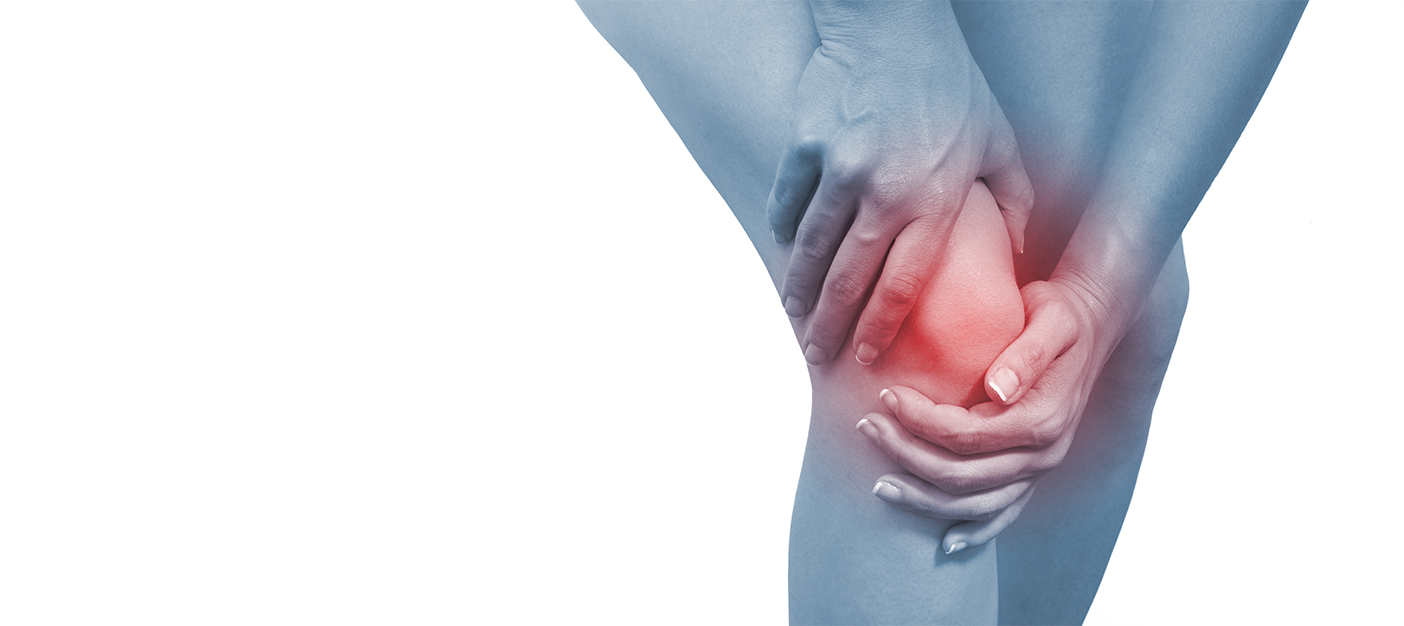
Kneecap pain, often called Patellofemoral Pain Syndrome (PFPS) or "runner's knee," is common in people who run and who play sports that involve running and jumping.
There are several causes, such as repeated stress on the knee joint (the largest joint in your body), muscle imbalances or weaknesses, trauma to the kneecap or knee surgery. Patellofemoral pain syndrome generally worsens over time if it’s not diagnosed and treated. If not treated, PFPS may also increase your injury risk.
Hence, if you are experiencing pain:
Contact knee pain specialist or an orthopedic specialist for the accurate diagnosis and treatment (which can range from physical therapy, patellar taping, and medication to surgery).
Read Also: Types Of Knee Surgery And Their Recovery Times: What You Need To Know
Patellofemoral pain syndrome is a broad term used to describe pain in the front of the knee and around the patella, or kneecap. It is sometimes known as "runner's knee."
Although it is common in individuals who participate in sports — especially females and young adults—PFPS can happen in non-athletes as well.
"Patellofemoral" combines "patella" (kneecap) and "femoral" (thigh bone, or femur). It describes the joint where these bones meet.
"Pain Syndrome" indicates a collection of symptoms centered on discomfort, not a single disease, often from irritation in that joint or surrounding tissues.
Read Also: Knee Replacement Surgeon In Delhi: Dr. Ishwar Bohra
Patellofemoral pain syndrome happens when nerves sense pain in the soft tissues and bone around the kneecap. These soft tissues consist of tendons, the fat pad beneath the patella, and the synovial tissue that lines the knee joint.
Here are the several factors that can trigger patellofemoral pain syndrome:
| Cause Category | Specific Causes | Details |
| Overuse | Vigorous activities | Jogging, squatting, climbing stairs, and sudden increases in frequency, duration, or intensity of exercise. |
| Overuse | Training changes | Improper techniques/equipment; shifts in footwear or playing surface (e.g., grass to turf). |
| Muscle Issues | Imbalances/weaknesses | Weak quadriceps, hip abductors/external rotators; fails to center patella in trochlear groove. |
| Alignment Problems | Patellar maltracking | Patella shifts laterally/medially or rides high (patella alta); leg alignment issues from hips to ankles. |
| Activity Ramp-Up | Sudden increases | New sports, higher training volume/intensity; poor form in running/jumping (hard strike pattern). |
| Structural Factors | Natural knee shape | The patella doesn't fit the femur groove properly, increasing pressure even without extra stress. |
Some groups of people are more likely to experience it, such as:
Read Also: Knee Osteoarthritis: Symptoms, Causes, and Treatments
Here are the common symptoms of runner's knee:
Read Also: What is knee replacement surgery?
Before curating a treatment plan, your doctor can order a few tests to know the cause of your pain and to rule out any other physical problems. These includes:
Read Also: Top 10 Knee Replacement Surgeons In Delhi: Dr. Ishwar Bohra
After the proper diagnosis, the following treatment options can be recommended:
| Treatment Category | Specific Options | Details |
| Activity Modification | Rest and avoid aggravators | Reduce stair climbing, squatting, kneeling, or deep knee bends; switch to low-impact activities like swimming or cycling. |
| Pain Relief | The RICE Method RICE stands for rest, ice, compression, and elevation. |
Rest, Ice (20 min every 2-3 hrs), Compression, Elevation, and NSAIDs (ibuprofen) for inflammation (short-term use). |
| Physical Therapy | Strengthening exercises | Focus on quadriceps (esp. VMO), hips, and core; straight-leg raises, clamshells, and side-lying leg lifts; and progress to closed-chain exercises like mini-squats. |
| Physical Therapy | Stretching | Tight quads, hamstrings, calves, and IT band; hold for 30 sec, 3-5x daily, to improve flexibility and patella tracking. |
| Physical Therapy | Manual therapy | Patellar mobilization, soft tissue massage, and joint manipulation to reduce pain and improve alignment. |
| Bracing/Taping | Knee braces or McConnell taping | A patellar-stabilizing brace or tape realigns the kneecap and reduces stress during activity. |
| Footwear/Orthotics | Custom-made or ready-made shoe inserts | Arch supports or custom orthotics correct flat feet or overpronation affecting knee alignment. |
| Injections (Rare) | Corticosteroids | For severe inflammation unresponsive to other measures: temporary relief, not first-line. |
| Surgery (Last Resort) | Arthroscopy or realignment | Debridement of damaged cartilage, lateral release, or tibial tubercle transfer if conservative fails after 6 months. |
Read Also: Robotic Partial Knee Replacement : A Brief Introduction
Do not let your kneecap pain lower the quality of life, mobility, and physical activity levels. With the early diagnosis, treatment, lifestyle adjustments, and targeted rehabilitation exercises, you can live an active, healthy life.
Q1: Can knee cap pain go away on its own?
A: Yes, mild cases of kneecap pain go away on their own through following tips:
However, if the pain persists, consult your doctor for the accurate diagnosis of the underlying cause.
Q2: How long does it take for knee cap pain to heal?
A: Most individuals require a month or two to recover from runner’s knee. Your physical therapist or orthopedic specialist will give you a timeline based on your unique needs, strength and activity level.
Q3: Can I prevent patellofemoral pain syndrome?
A: Yes, through following prevention tips:

Staying abreast with the latest information is the best way to combat diseases in early stages and live a healthy life. Read the latest news & updates here to learn about the recent advancements in joint care and therapeutics.