
 Medically Reviewed
Written by Pooja Rawat, Medical Content Writer
Posted On: 16 Jan 2026,
Are you seeking juvenile arthritis treatment in Dwarka? Dr. Ishwar Bohra, the top orthopedic surgeon in Dwarka, has years of experience in successfully managing JIA comprehensively and compassionately.
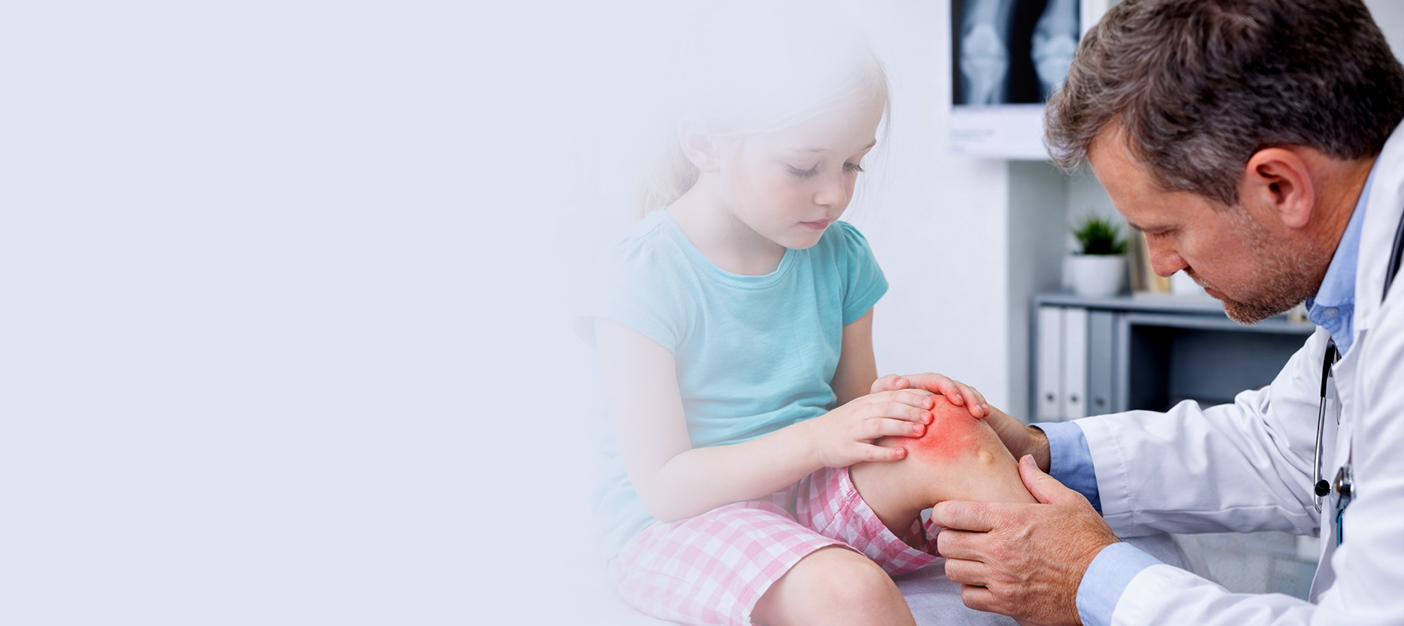
Just like adults, some children may also develop arthritis, a condition characterised by inflammation of the joints. With treatment, most children achieve long periods of remission where they are symptom-free, and the disease is inactive. Sometimes, the disease goes away permanently, and they no longer need medications.
It is essential to consult a doctor promptly if your child experiences swollen or stiff joints, as delaying treatment can lead to joint damage, a reduced response to treatment, and other complications. Let’s learn more about this disease in detail and ways to manage it.
Juvenile idiopathic arthritis (JIA) is the most common type of arthritis that affects children. It is often chronic or long-lasting in nature. JIA is not a single disorder; it's a broad term for multiple bone and joint disorders, which are characterized by joint swelling, discomfort, warmth, stiffness, and limited range of motion.
JIA is categorized as “idiopathic,” meaning that its root cause is not clear. Some studies suggest that an overactive immune system is responsible for the origin and progression of this inflammatory disorder.
Joint inflammatory arthritis (JIA) is an autoimmune disorder in which your child's immune system mistakenly attacks the joint tissues, particularly cushioning structures (synovium and synovial fluid). Because of this, more synovial fluid is produced, which in turn causes the joint to enlarge, cause pain, and become stiff. Structures like bones and cartilage surrounding the joints are also impacted due to inflammation.
The disorder also causes inflammation in the child's eyes and other body parts. If the disease is not treated before it progresses, the child's growth and development may be affected. Timely care and appropriate management can significantly improve the child's quality of life.
The precise origin of JIA is still unknown to experts. By the way, "idiopathic" literally means "unknown cause." Factors that might play a role could encompass:
The following are the common symptoms associated with juvenile inflammatory arthritis:
Juvenile inflammatory arthritis may lead to the following complications if left untreated:
The treatment of JIA is focused on increasing joint mobility and strength, preventing joint damage and complications, relieving pain, and reducing swelling. The following are the treatment options:
| Treatment Type | How It Helps the Child |
| Pain-Relief and Anti-Inflammatory Medicines | Help control discomfort and joint inflammation, making daily activities easier, but do not change how the disease progresses |
| Steroid-Based Treatment | Given as an injection into an affected joint or taken by mouth when multiple joints are involved or when the disease affects the whole body |
| Disease-Modifying Treatment | Works on the immune system to reduce joint damage and prevent long-term complications |
| Targeted Immune Therapy | Helps reduce inflammation by blocking specific immune responses when other treatments are not effective |
| Exercise and Physical Support | Improves flexibility, muscle strength, and mobility; may include physical or occupational therapy |
| Joint Protection Support | Splints or braces may be used to support joints, improve alignment, and prevent long-term joint damage |
No matter what, your kid with JIA should be encouraged to have a normal life. Their regular school, sporting, extracurricular, and family activity participation is crucial.
You must rely on the fact that exercising does not aggravate arthritis symptoms. Physical activity not only strengthens muscles and builds stamina, but it also helps kids combat changes in the body due to inactivity.
Encourage your child to eat a standard, well-balanced diet to lessen overall body stress and improve the nutritional status of the body. However, there is no evidence that suggests that specific dietary plans help manage arthritis symptoms.
You want nothing more than for your child to lead a healthy, joyful, and pain-free life. Seeing your child struggle with JIA can naturally bring feelings of worry, frustration, and concern, as it may feel like an unfair burden for your child. You can get assistance from your right doctors, who hold years of experience in managing such disorders. Put your faith in your child's doctor, as they can devise an appropriate strategy to alleviate symptoms and guide your child towards positive progress. Being a parent, it's normal to wonder about what the future may hold for your child living with juvenile arthritis.
Dr. Ishwar Bohra and his team can help ensure your child leads an active life through expert juvenile arthritis treatment in Dwarka. Book your consultation now!
Q1: Can juvenile idiopathic arthritis be prevented?
A: Since the exact cause of JIA is still unknown, there is currently no way to prevent it. Researchers continue to study its causes and potential methods of prevention.
Q2: How long does juvenile idiopathic arthritis last?
A: JIA can persist for months or even years. Some children eventually go into full remission, while others continue to have active symptoms into adulthood. This transition is often referred to as “aging out” of JIA into adult arthritis.
Q3: What is the outlook for children and teens with juvenile idiopathic arthritis?
A: The impact of JIA varies from child to child. In some cases, it affects only one or two joints and is relatively easy to manage. In others, multiple joints may be involved, leading to more severe or longer-lasting symptoms.

Staying abreast with the latest information is the best way to combat diseases in early stages and live a healthy life. Read the latest news & updates here to learn about the recent advancements in joint care and therapeutics.