
 Medically Reviewed
Written by Pooja Rawat, Medical Content Writer
Posted On: 08 Jun 2026,
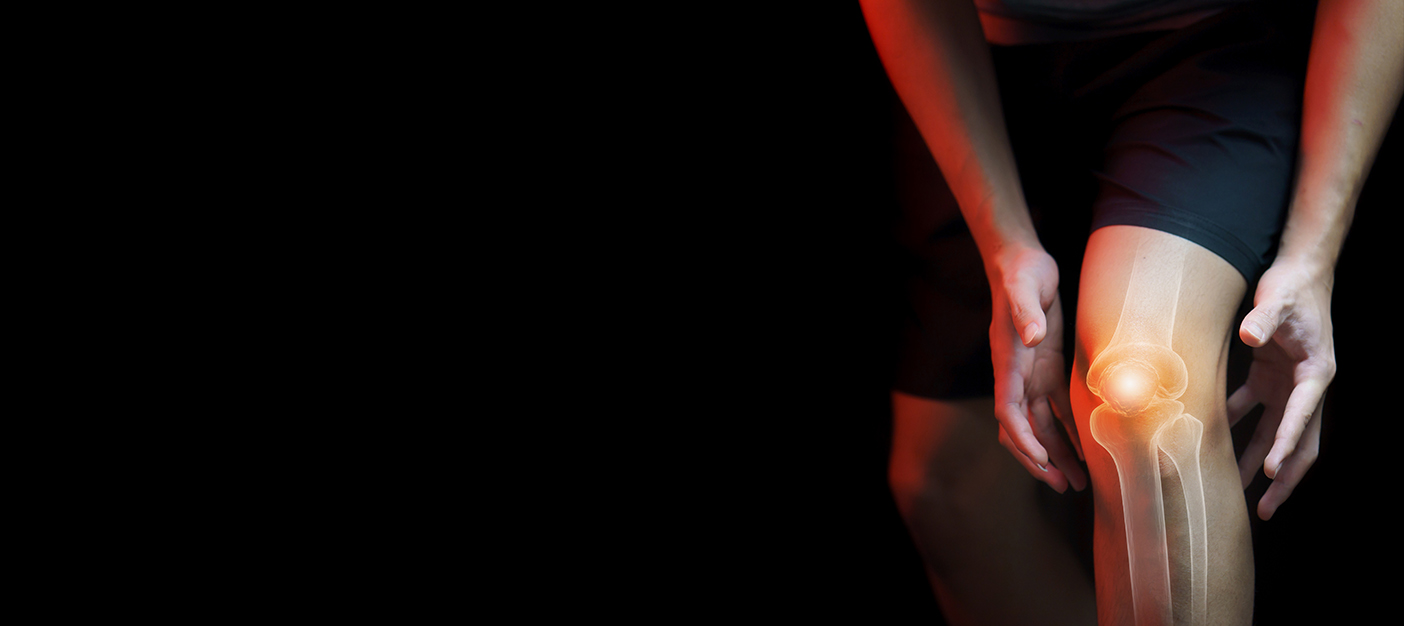
Your knees are a little like the suspension system of a car.
Most days, they quietly absorb pressure, support movement, and help you walk, climb stairs, squat, run, and stand without complaint. But when something starts going wrong inside the joint, your knees stop whispering and start shouting.
That dull ache while climbing stairs.
The stiffness after waking up.
The sharp pain when standing after sitting too long.
These are not “just signs of aging.”
If you’ve been wondering about the real causes of knee pain, the answer is usually more complex than one single injury. Chronic knee pain often develops slowly over time because of wear and tear, inflammation, muscle imbalance, excess pressure on the joint, or underlying medical conditions like arthritis.
The good news?
Most chronic knee pain can be managed — and sometimes significantly improved — once you understand what’s actually causing it.
In this guide, we’ll explain:
Best Exercises To Strengthen Your Knees And Avoid Surgery
Chronic knee pain is knee discomfort that lasts longer than 3 months or keeps coming back repeatedly.
Unlike temporary soreness after exercise or a minor injury, chronic pain usually signals an underlying issue affecting the joint, cartilage, ligaments, muscles, or surrounding tissues.
Some people feel:
And interestingly, where the pain appears often gives clues about the cause.
| Cause | Common Symptoms | Who It Affects Most |
| Osteoarthritis | Stiffness, swelling, grinding pain | Adults over 50 |
| Tendinitis | Pain during movement or stairs | Active individuals |
| Meniscus Tear | Locking, clicking, instability | Athletes & older adults |
| Bursitis | Swelling and tenderness | Repetitive kneeling jobs |
| Ligament Injury | Sudden pain, instability | Sports injuries |
| Patellofemoral Pain Syndrome | Front knee pain | Runners & active adults |
| Rheumatoid Arthritis | Swelling in multiple joints | Autoimmune patients |
| Obesity-Related Joint Stress | Constant pressure pain | Overweight individuals |
Here is the list:
If your knee feels stiff in the morning or painful after walking, arthritis knee pain could be the reason.
Osteoarthritis happens when the cartilage inside the knee gradually wears down over time. Cartilage acts like a cushion between bones. When it becomes thinner, bones rub against each other, causing inflammation and pain.
Think of it like worn-out brake pads in a vehicle. Without cushioning, every movement creates friction.
Common Symptoms of Osteoarthritis
Risk Factors
Many people assume arthritis only affects elderly individuals. But previous sports injuries, obesity, or years of repetitive strain can accelerate joint degeneration earlier than expected.
Inside your knee are two rubbery cartilage pads called menisci. They absorb shock during movement.
A sudden twist, awkward squat, or years of gradual wear can tear this cartilage.
Some tears happen instantly during sports.
Others develop slowly with age.
Signs of a Meniscus Tear
| Symptom | What It Feels Like |
| Locking sensation | Knee gets stuck temporarily |
| Clicking sounds | Popping during movement |
| Swelling | Usually after activity |
| Sharp pain while twisting | Especially turning suddenly |
| Weakness | Feeling unstable while walking |
Many chronic meniscus injuries are first treated conservatively through physical therapy before surgery is considered.
Tendons connect muscles to bones. Repetitive stress can inflame them over time.
This is common among:
People climbing stairs frequently
Patellar tendinitis (“jumper’s knee”) often causes pain at the front of the knee.
What Makes Tendinitis Worse?
The knee is often an “innocent bystander.” Weak hips or tight hamstrings can shift extra stress onto the knee joint.
Your knee contains small fluid-filled sacs called bursae that reduce friction.
Repeated kneeling, pressure, or injury can inflame these sacs, leading to bursitis.
Common Symptoms
Professions involving repetitive kneeling — like plumbing, flooring, or gardening — commonly trigger bursitis.
The knee relies on ligaments for stability.
Sudden direction changes, awkward landings, or trauma can tear these structures.
The ACL (anterior cruciate ligament) is one of the most commonly injured.
Signs of Ligament Damage
Sometimes incomplete ligament injuries become chronic problems if not rehabilitated properly.
Not all arthritis knee pain comes from aging.
Rheumatoid arthritis (RA) is an autoimmune condition where the immune system mistakenly attacks the joints.
Unlike osteoarthritis, RA often affects multiple joints symmetrically.
Common RA Symptoms
| Symptom | Difference From Osteoarthritis |
| Morning stiffness over 30 minutes | More severe |
| Swollen joints | Often both knees |
| Fatigue | Common |
| Warm inflamed joints | Frequent |
| Whole-body symptoms | Possible |
This type of knee pain requires medical management because untreated inflammation can permanently damage joints.
One overlooked cause of knee pain is simple mechanical overload.
Every extra kilogram of body weight increases pressure on the knees significantly while walking or climbing stairs.
Imagine carrying a heavy backpack all day, every day. Eventually, the knees begin absorbing more stress than they comfortably can.
Why Weight Matters
Research consistently shows weight loss can significantly reduce knee pain, especially in osteoarthritis patients.
Even modest reductions help lower joint stress.
Pain location often provides diagnostic clues.
| Pain Location | Possible Cause |
| Front of knee | Arthritis, tendinitis, patellofemoral syndrome |
| Back of knee | Baker’s cyst, tight muscles |
| Inside knee | MCL injury, arthritis |
| Outside knee | IT band syndrome, meniscus issues |
| Entire knee | Advanced arthritis or inflammation |
This is why doctors ask detailed questions about exactly where and when your pain occurs.
Many people complain more about stiffness than actual pain.
Knee stiffness causes commonly include the following:
Morning stiffness often points toward inflammatory conditions, while stiffness after activity may indicate mechanical wear and tear.
How Chronic Knee Pain Is Diagnosed
A healthcare provider may use:
Diagnosis depends heavily on symptoms, history, and physical findings.
Not every case needs advanced imaging immediately.
The best joint pain treatment depends on the underlying cause.
But most chronic knee pain treatment plans include a combination of approaches.
| Treatment | Purpose |
| Physical therapy | Strengthen muscles |
| Weight management | Reduce joint stress |
| Stretching | Improve flexibility |
| NSAIDs | Reduce inflammation |
| Knee braces | Improve support |
| Activity modification | Prevent overloading |
This surprises many people:
Avoiding movement completely often makes chronic knee pain worse.
Strong muscles around the knee act like scaffolding around a weak building. They absorb pressure and improve joint stability.
Helpful exercises often include:
Low-impact activities like swimming and cycling are usually easier on painful knees than running or jumping.
You should seek medical advice if:
Sudden trauma, inability to move the knee, or suspected fractures require immediate care.
Your knees are remarkably resilient.
They carry you through thousands of steps every day, absorb shock constantly, and rarely complain until something truly starts going wrong.
Chronic knee pain is often your body’s way of asking for attention, not surrender.
Sometimes the issue is arthritis.
Sometimes it’s muscle weakness.
Sometimes it’s years of accumulated strain finally catching up.
But understanding the real causes of knee pain is the first step toward relief.
The earlier you identify the cause, strengthen supporting muscles, improve movement patterns, and reduce unnecessary stress on the joint, the better your chances of staying active and independent long-term.
Because healthy knees are not just about movement.
They’re about freedom.
Q1: What are the most common medical causes of chronic knee pain?
A: Chronic knee pain commonly results from osteoarthritis, rheumatoid arthritis, previous ligament or meniscus injuries, overuse syndromes, obesity-related joint overload, and poor lower-limb alignment or biomechanics.
Q2: How does osteoarthritis lead to long‑term knee pain?
A: In osteoarthritis, the protective cartilage gradually wears away, causing bone-on-bone friction, inflammation, stiffness, swelling, and persistent aching or grinding pain during weight-bearing activities.
Q3: Can old sports injuries cause chronic knee pain years later?
A: Yes. Untreated or poorly healed ACL, meniscal, or cartilage injuries alter joint mechanics, accelerating degeneration and leading to recurrent instability, swelling, and chronic knee pain over time.
Q4: How do inflammatory conditions like rheumatoid arthritis affect the knee?
A: Rheumatoid arthritis causes autoimmune-driven synovial inflammation, joint swelling, warmth, morning stiffness, and progressive cartilage and bone damage, resulting in chronic knee pain and disability.
Q5: Can excess body weight and lifestyle factors cause chronic knee pain?
A: Excess body weight increases mechanical load on knee joints, while weak muscles, sedentary lifestyle, and repetitive strain activities promote cartilage wear, tendon irritation, and persistent knee discomfort.
Disclaimer: This blog is for informational purposes only and does not replace professional medical advice, diagnosis, or treatment. Consult a qualified healthcare provider for persistent knee pain or worsening symptoms.

Staying abreast with the latest information is the best way to combat diseases in early stages and live a healthy life. Read the latest news & updates here to learn about the recent advancements in joint care and therapeutics.